In Baton Rouge, permits come from the city-parish Department of Development, Permits and Inspections Division. The street side of things, including sidewalks, is handled by the Department of Transportation and Drainage. Rules change, so treat this page as a guide and confirm for your address.
Do I need a permit for a driveway or patio in Baton Rouge?
You need a permit to add to or expand a driveway. The city-parish Permits and Inspections Division lists that among residential work requiring a permit. Its list also includes any addition to a structure, any accessory structure over 200 square feet, patio covers and swimming pools. An open patio slab on the ground is not named on that list. We still check with the division for your lot, because a flood zone, a servitude or an overlay district can add requirements. Applications go through the city-parish online portal.
Do I need a permit to widen my driveway?
Yes. To widen a driveway is to expand it, and the city-parish lists expansion of a driveway as permit work. Widening also raises two practical questions: how much of the front yard ends up paved, and whether the wider drive needs a wider opening at the street or a longer culvert. Those are reviewed as part of the application.
Who owns the driveway apron, me or the city?
The apron, the part of the driveway between your property line and the street, normally lies on public right of way. You use it and in practice you look after it, but you cannot rebuild or widen it without city-parish approval. If your street is a state highway, the opening onto it is controlled by the Louisiana Department of Transportation and Development, which issues access connection permits. We find out which applies before quoting apron work.
My driveway crosses a ditch. Can I change or cover the culvert?
Not without permission. The East Baton Rouge Unified Development Code requires the Department of Development's permission for any culvert installation. The department looks at the site and decides what size pipe the ditch needs. Filling a ditch or using too small a pipe floods your neighbors upstream, so this rule is enforced.
Who is responsible for the sidewalk in front of my house?
You are. The city-parish Code of Ordinances puts the duty on owners of lots that front streets with paved sidewalks to keep that sidewalk level and in repair. That includes taking out uneven and broken sections and replacing them. The city-parish has said it will pay for repairs where its own sewer or drainage line caused the damage. Report a problem through Red Stick 311.
The city sent me a notice to fix the sidewalk. Do I have to use the city's contractor, or can I hire my own?
If the city sent a notice, read the deadline on it first. The city-parish 311 guidance says a notice from the Department of Transportation and Drainage gives the owner 10 days, and that the fine can be up to $100. The code places the repair on the owner, so you can hire your own contractor to do it. Because the walk is on public right of way, call the number on the notice and ask what approval or inspection the work needs. If you think a city-parish drain or sewer line caused the damage, say so before paying for anything.
How close to the property line can I pour, and do I need a survey?
How close to the property line you can pour depends on your zoning and on any servitudes recorded on your lot, so we confirm it for your address instead of quoting one number. Two limits apply everywhere. Do not pave over a drainage or utility servitude, because the city-parish or utility can dig it up. And do not tilt a slab so its water runs onto the neighbor. You need a survey when the line is in doubt. Fences in older Baton Rouge neighborhoods are often not on the true line. The survey from your purchase is usually good enough.
Do I need HOA approval?
If your subdivision has recorded restrictions, yes, and that is separate from any permit. Many newer neighborhoods in the parish require HOA approval before you widen a drive, add a patio or change a finish or color. Get the approval in writing before signing a concrete contract. The city-parish does not enforce HOA rules, and an HOA does not excuse you from a permit.
How much of my lot can I cover with concrete?
Limits on lot coverage and impervious surface come from the Unified Development Code and vary by zoning district, and some overlay districts restrict front yard paving. We have not verified one figure that applies to every lot, so we check the rule for your address with the Planning Commission staff. On any lot, the practical limit is drainage: every square foot you pave sheds water that must go somewhere allowed.
When does a retaining wall need an engineer or a permit?
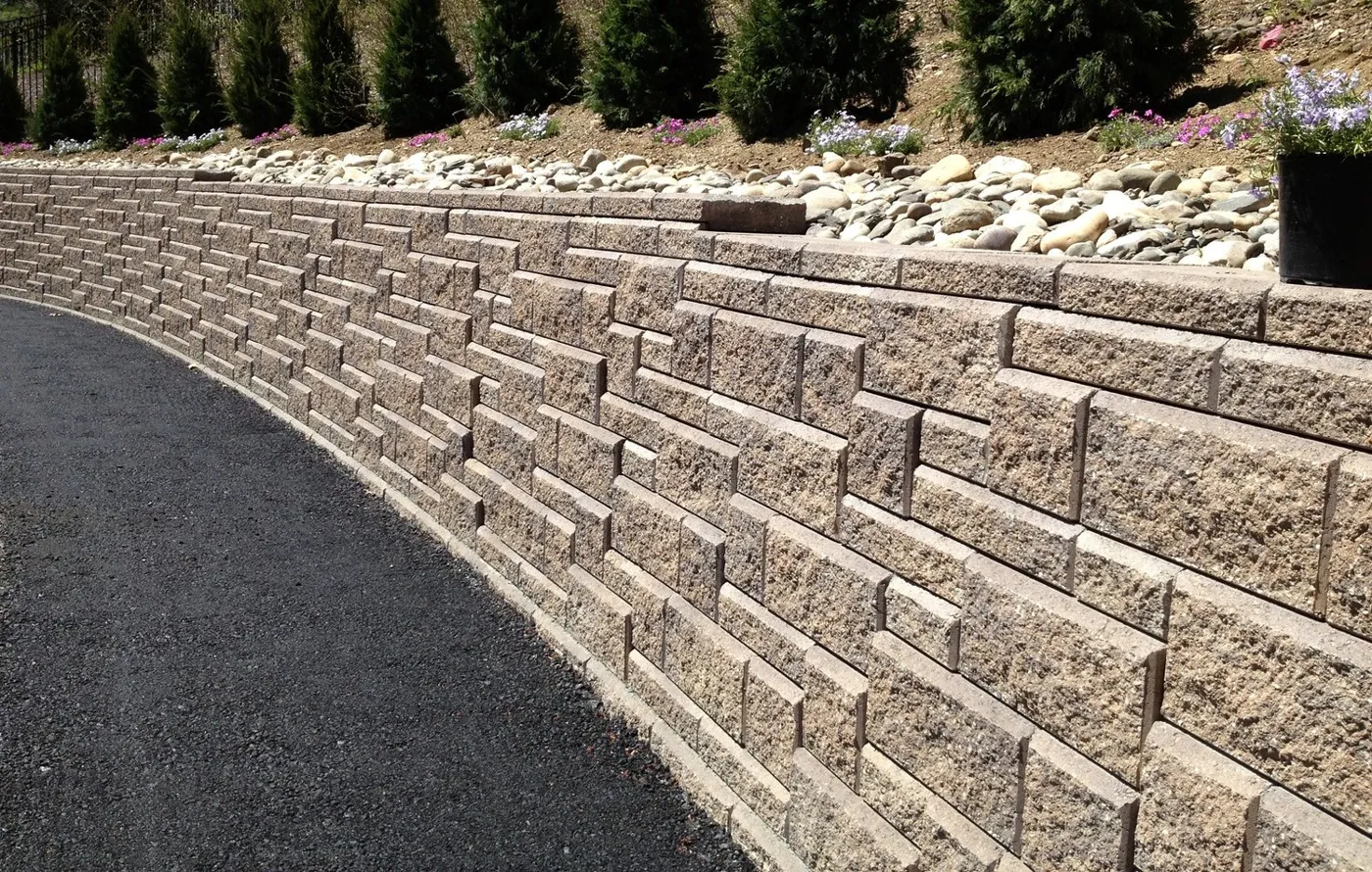
A wall needs an engineer when it is tall, when it holds up a driveway, building or pool, or when it stands on a channel or bayou bank. The exact height at which a permit is required should be confirmed with Permits and Inspections, since we have not verified the local figure. Low garden walls holding a level bed usually need neither. On wet Baton Rouge clay we would rather involve an engineer early than rebuild a wall.
How do I find underground utility lines before digging?
Contact Louisiana 811 by phone or online. It is free. State law, R.S. 40:1749.13, requires the excavator to give notice at least 48 hours and not more than 120 hours before work, not counting weekends and holidays. The utilities then mark their utility lines with paint and flags. They do not mark private lines such as sprinklers, landscape lighting, or a gas or power run to a pool or shop. When we dig, we place the request.
Is my lot in a flood zone, and does that affect a slab?
A large share of East Baton Rouge Parish is mapped flood hazard area, and the 2016 flood reached well beyond it. In a mapped flood zone, the floor height of a building and any fill brought onto the lot are controlled through the permit. An open driveway or patio at ground level is less affected, but raising the grade is not something to do without asking. You can look up your address on FEMA's flood map.
I need a wheelchair ramp and a wider walkway. What are the rules?
For a private home, a ramp is built to suit the person using it. A gentle slope, level landings at the top, bottom and turns, a non-slip finish and edge protection matter most. The common guide of one inch of rise for every twelve inches of run comes from the accessibility standards that bind businesses and public buildings. A ramp attached to the house may need a permit as an addition, so we ask first.
My house is in a historic district and has old decorative concrete. Can I replace it?
Ask before touching it. Baton Rouge has locally designated historic districts and design overlay districts in its older neighborhoods, and exterior changes there can need review by the Historic Preservation Commission or planning staff before a permit is issued. We have not verified the exact boundaries or rules for each district, so we check your address with the Planning Commission. Old scored walks and tinted concrete can often be repaired or matched instead of removed.
Sources: City of Baton Rouge and Parish of East Baton Rouge Residential permits page (brla.gov), Red Stick 311 knowledge base on sidewalk issues, and Louisiana R.S. 40:1749.13. Checked October 2026. This page is general information, not legal advice.
The only real price is one written after we have seen your property. The estimate is free. Call (225) 434-4721 or text us a few photos.